 2 hours ago
On March 17, 2026, a significant milestone in the field of biotechnology and healthcare was announced as the Advanced Research Projects Agency for Health (ARPA-H) awarded BioCurie a substantial grant to develop a scalable gene therapy manufacturing platform. This initiative promises to address one of the most pressing challenges in gene therapy: the ability to produce treatments at scale, efficiently and affordably.
Context: The Promise and Challenges of Gene Therapy
Gene therapy has emerged over the past two decades as a revolutionary approach to treating genetic disorders, cancers, and other complex diseases by directly modifying or replacing faulty genes. This innovative treatment modality offers hope for conditions that were previously deemed untreatable or only manageable through symptomatic care. Despite its transformative potential, the widespread adoption of gene therapies has been significantly hindered by manufacturing bottlenecks, high costs, and complex production processes that limit scalability and accessibility.
Traditional gene therapy manufacturing involves intricate steps including viral vector production, purification, and rigorous quality control, often requiring specialized facilities, highly trained personnel, and extensive timeframes. These limitations have resulted in therapies that are prohibitively expensive and difficult to scale, restricting access primarily to patients in developed countries or those enrolled in clinical trials. Consequently, many patients worldwide remain unable to benefit from these cutting-edge treatments due to geographic, economic, and infrastructural barriers.
The Role of ARPA-H and BioCurie
Established with the mission to accelerate biomedical breakthroughs through high-risk, high-reward research, ARPA-H has identified scalable gene therapy manufacturing as a critical area for innovation. By funding BioCurie, a pioneering biotech company specializing in gene editing and manufacturing technologies, ARPA-H aims to catalyze the development of a platform that can streamline production, reduce costs, and enhance quality control, thereby overcoming existing limitations in the field.
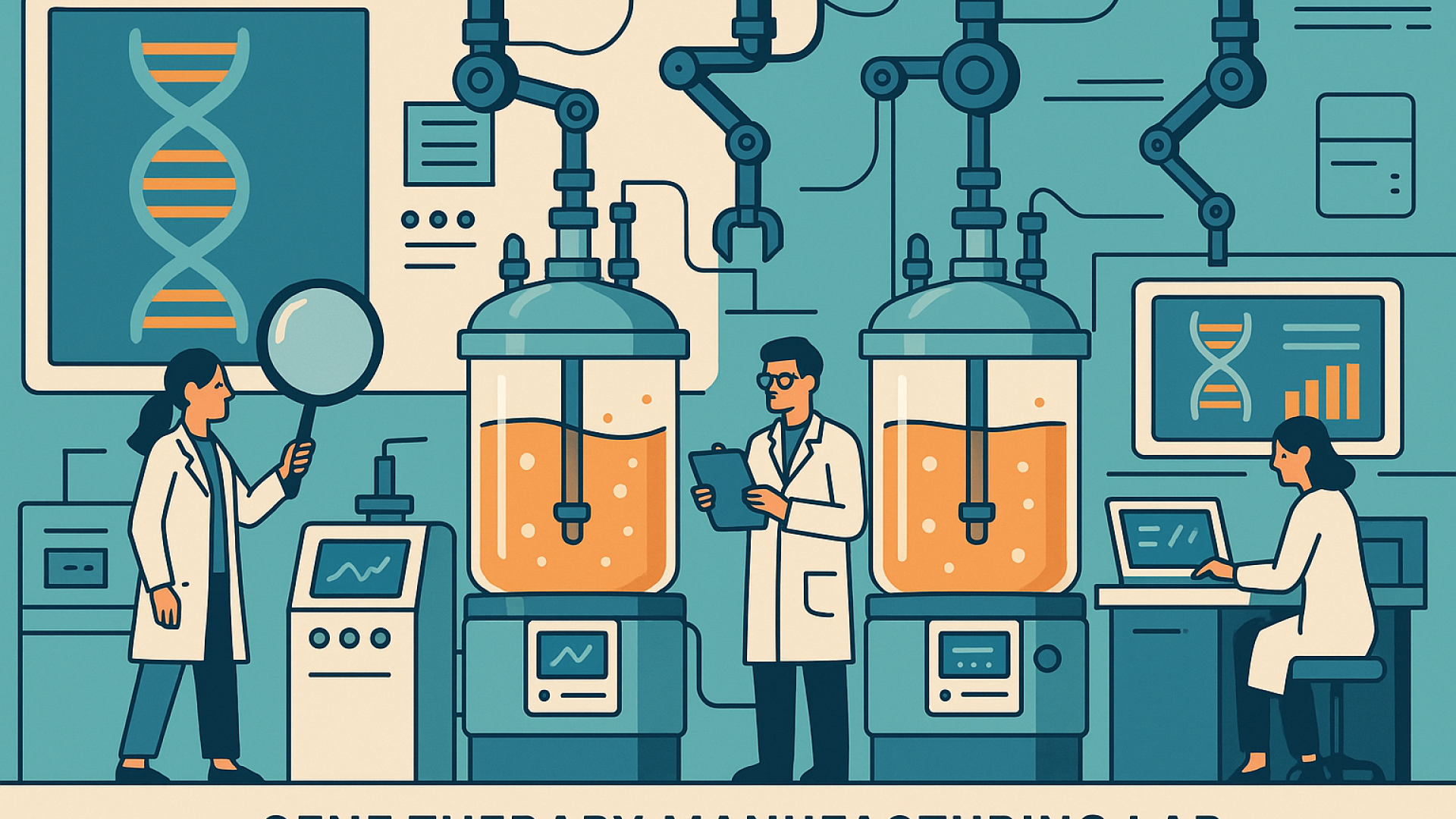
BioCurie’s approach integrates advanced bioengineering techniques, automation, and novel vector design to create a flexible manufacturing system. This system is designed to be adaptable for various gene therapies, including those targeting rare genetic diseases as well as more common conditions such as certain cancers and inherited disorders. By leveraging cutting-edge technologies such as synthetic biology, machine learning for process optimization, and modular manufacturing units, BioCurie seeks to revolutionize how gene therapies are produced.
Core Objectives of the Project
- Scalability: Developing processes that can be scaled seamlessly from small clinical batches to large commercial production without compromising quality or efficacy. This includes designing modular manufacturing units that can be rapidly deployed and expanded as demand grows.
- Cost Reduction: Innovating manufacturing steps to lower the overall cost of gene therapies, making them more accessible globally. This involves optimizing vector production yields, reducing reliance on expensive raw materials, and automating labor-intensive processes.
- Quality and Safety: Enhancing quality control measures to ensure consistent safety and efficacy of gene therapy products. Advanced analytics and real-time monitoring will be integrated to detect and mitigate any deviations during production.
- Speed: Accelerating the production timeline to reduce the time from development to patient delivery. Streamlined workflows and rapid scale-up capabilities aim to shorten manufacturing cycles significantly.
Potential Impact on Healthcare and Industry
If successful, BioCurie’s platform could fundamentally transform the gene therapy landscape. The ability to manufacture gene therapies at scale and lower costs would enable broader patient access, particularly in underserved regions and low- to middle-income countries. This could lead to earlier interventions for genetic diseases, improved treatment outcomes, and expanded therapeutic options for conditions currently considered untreatable.
Moreover, scalable manufacturing could stimulate innovation within the biotech industry by lowering entry barriers for smaller companies and research institutions. This democratization of gene therapy production could accelerate the development of novel therapies and personalized medicine approaches, fostering a more diverse and competitive ecosystem. The platform’s adaptability may also facilitate rapid responses to emerging health threats, such as genetic mutations or viral outbreaks, by enabling swift production of tailored gene therapies.
Challenges and Considerations
Despite the promise, several challenges remain. Manufacturing gene therapies involves complex biological systems that can be difficult to standardize and reproduce consistently. Variability in biological materials, vector stability, and delivery mechanisms pose ongoing technical hurdles. Regulatory frameworks will need to adapt to accommodate new manufacturing technologies while ensuring patient safety and product efficacy. This includes establishing clear guidelines for quality assurance, validation, and post-market surveillance.
Additionally, ethical considerations around gene editing and therapy accessibility must be addressed to prevent disparities and ensure equitable distribution. Issues such as informed consent, long-term monitoring of patients, and potential off-target effects require careful oversight. BioCurie and ARPA-H have acknowledged these challenges and emphasized a collaborative approach involving regulators, industry stakeholders, patient advocacy groups, and bioethicists to navigate the path forward responsibly.
Looking Ahead: The Future of Gene Therapy Manufacturing
The ARPA-H funded project is expected to progress through multiple phases over the next several years, including prototype development, pilot manufacturing, and clinical validation. Each phase will involve rigorous testing to demonstrate the platform’s scalability, reliability, and safety. Success in these stages could pave the way for commercial adoption and set new standards in gene therapy production, potentially influencing global manufacturing practices.
As gene therapies continue to evolve, innovations in manufacturing will be critical to unlocking their full potential. The partnership between ARPA-H and BioCurie represents a forward-thinking investment in the future of medicine, aiming to make life-saving treatments more accessible and affordable worldwide. This initiative aligns with broader efforts to integrate advanced technologies such as artificial intelligence, robotics, and synthetic biology into healthcare manufacturing, heralding a new era of precision medicine.
Conclusion
The awarding of funding to BioCurie by ARPA-H marks a pivotal moment in the advancement of gene therapy. By focusing on scalable manufacturing solutions, this initiative addresses a fundamental barrier to the widespread adoption of gene therapies. While challenges remain, the collaborative efforts of government agencies, biotech innovators, and the broader healthcare community hold promise for a new era in medical treatment, where gene therapies can reach and benefit a global patient population. Ultimately, this endeavor could transform the landscape of genetic medicine, improving health outcomes and quality of life for millions around the world.