 1 hour ago
Introduction
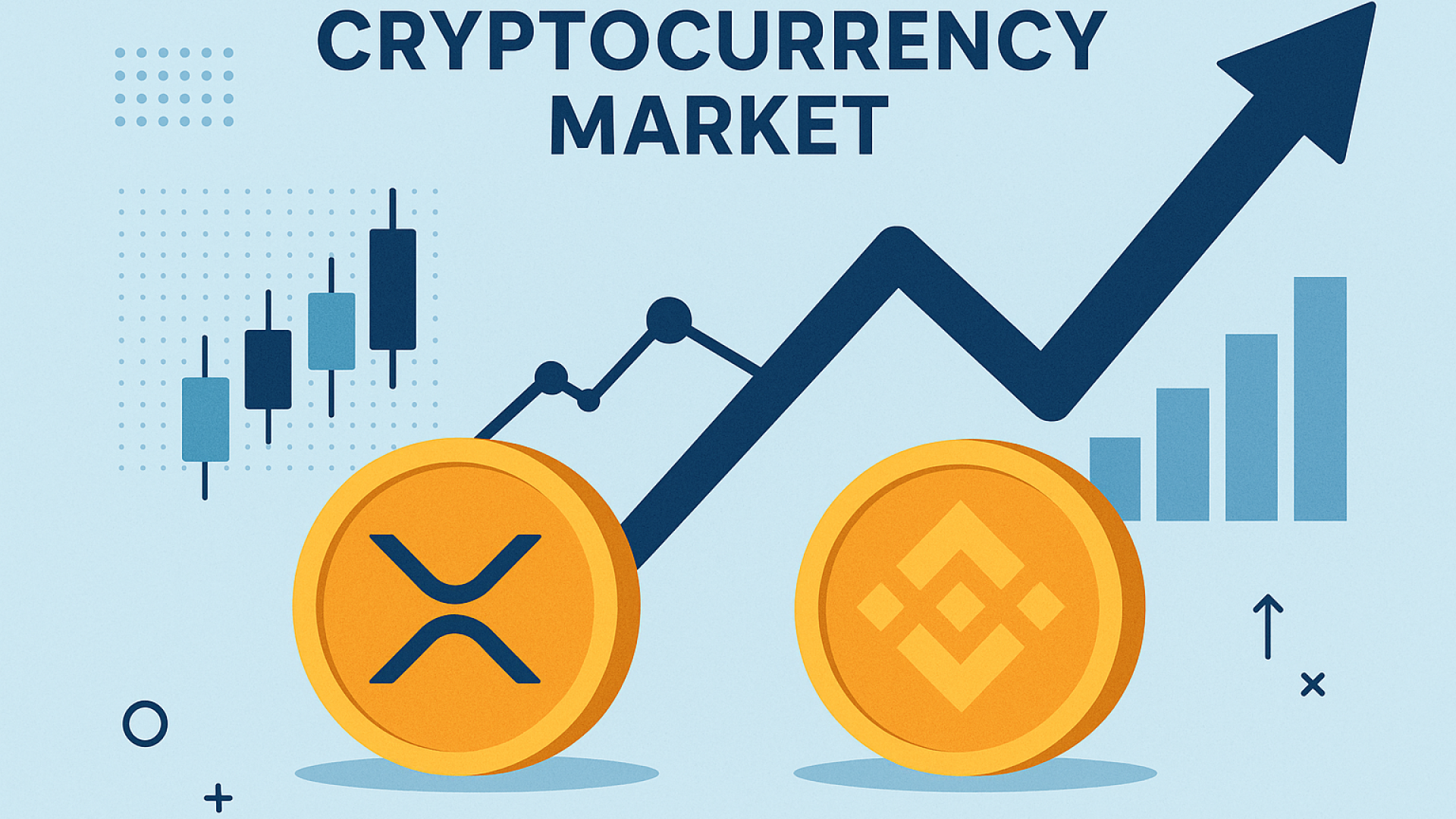
On March 19, 2026, the cryptocurrency market witnessed a significant milestone as XRP surpassed Binance Coin (BNB) to claim the position of the fourth most valuable cryptocurrency by market capitalization. This development marks a notable shift in the competitive landscape of digital assets, reflecting evolving investor sentiments, technological advancements, and regulatory influences shaping the crypto ecosystem. The rise of XRP in the rankings not only highlights its growing prominence but also signals potential changes in how digital assets are perceived and utilized globally.
Context: The Rise of XRP and Market Dynamics
XRP, the native digital asset of the Ripple network, has long been recognized for its focus on facilitating fast and cost-effective cross-border payments. Since its inception, XRP has been a subject of both enthusiasm and controversy, particularly due to ongoing legal challenges and regulatory scrutiny. Despite these hurdles, XRP's recent market performance underscores its resilience and growing adoption across various sectors.
Binance Coin (BNB), issued by Binance, one of the world’s largest cryptocurrency exchanges, has traditionally held a strong position in the market, supported by its utility within the Binance ecosystem, including transaction fee discounts, staking opportunities, and participation in token sales. BNB's prominence has been a barometer for the health of the Binance platform and the broader decentralized finance (DeFi) sector, reflecting the exchange's expansive influence in the crypto space.
The overtaking of BNB by XRP suggests a recalibration of market priorities and investor confidence. This shift is influenced by multiple factors, including regulatory clarity, technological upgrades, and strategic partnerships that enhance XRP's utility and appeal. It also reflects broader trends in the cryptocurrency market, where utility, compliance, and real-world application increasingly drive value.
Core Analysis: Factors Driving XRP's Ascendancy
1. Regulatory Developments
One of the pivotal factors contributing to XRP's rise is the evolving regulatory landscape. Over the past years, Ripple Labs, the company behind XRP, has engaged in legal battles with regulatory bodies, particularly the U.S. Securities and Exchange Commission (SEC). These disputes centered on whether XRP should be classified as a security, which had significant implications for its trading and adoption.
Recent court rulings and settlements have provided greater clarity on XRP's classification, alleviating investor concerns about potential legal risks. This regulatory clarity has been instrumental in restoring confidence among institutional investors and large-scale traders, who often require a clear legal framework before committing substantial capital to digital assets.
Moreover, Ripple's proactive approach in engaging with regulators worldwide has helped position XRP as a compliant and transparent asset. This has encouraged more exchanges to list XRP and facilitated its inclusion in various financial products, further boosting its market capitalization.
2. Technological Enhancements
Ripple has continued to innovate its underlying technology, focusing on scalability, transaction speed, and interoperability with traditional financial systems. The introduction of new protocol upgrades has improved network efficiency and reduced transaction costs, making XRP more attractive for real-world financial applications.
For instance, the implementation of the XRP Ledger's latest consensus algorithm enhancements has increased transaction throughput and reduced confirmation times, addressing previous scalability concerns. These improvements enable XRP to handle a higher volume of transactions with minimal fees, a critical factor for adoption in high-frequency payment environments.
Moreover, Ripple's expansion into decentralized finance (DeFi) and integration with emerging blockchain platforms have broadened XRP's use cases beyond cross-border payments. Initiatives such as bridging XRP with Ethereum-based DeFi protocols and exploring NFT marketplaces have enhanced its market relevance and diversified its utility.
3. Strategic Partnerships and Market Adoption
Ripple's strategic collaborations with financial institutions, payment providers, and governments worldwide have bolstered XRP's credibility and adoption. These partnerships facilitate the integration of XRP into existing financial infrastructures, promoting liquidity and utility.
Notably, Ripple's involvement in initiatives aimed at capital market modernization and digital asset regulation has positioned XRP as a bridge between traditional finance and the evolving digital economy. Collaborations with central banks exploring digital currency solutions and partnerships with remittance companies have expanded XRP's footprint in global finance.
Additionally, Ripple's efforts to onboard new corporate clients and expand its network of liquidity providers have increased XRP's transactional volume and market visibility. These developments contribute to a virtuous cycle of adoption and value appreciation.
4. Market Sentiment and Investor Behavior
Investor sentiment plays a crucial role in cryptocurrency valuations. The recent surge in XRP's price and market cap reflects growing optimism about its long-term prospects. Social media trends, influential endorsements, and positive news coverage have contributed to heightened interest and trading volumes.
Communities on platforms like Twitter, Reddit, and specialized crypto forums have actively promoted XRP, emphasizing its technological strengths and regulatory progress. Influential figures in the crypto space have also voiced support, further driving retail investor enthusiasm.
Conversely, BNB has faced challenges including regulatory scrutiny of Binance's operations in various jurisdictions and competition from alternative exchange tokens, which may have tempered investor enthusiasm. Issues such as regulatory investigations and restrictions in key markets have introduced uncertainty around BNB's future growth trajectory.
Implications for the Cryptocurrency Market
XRP's advancement to the fourth position in market capitalization has several implications for the broader cryptocurrency market:
- Market Competition: The reshuffling of top cryptocurrencies intensifies competition, encouraging innovation and improvements across projects. This dynamic fosters a more robust and diverse ecosystem, benefiting users and investors alike.
- Regulatory Impact: XRP's progress highlights the importance of regulatory clarity in fostering investor confidence and market stability. It underscores the need for clear guidelines that balance innovation with consumer protection.
- Institutional Adoption: Increased institutional interest in XRP may pave the way for more mainstream acceptance of cryptocurrencies in financial systems. This could accelerate the integration of digital assets into traditional banking and payment infrastructures.
- Technological Evolution: The focus on scalability and interoperability sets a precedent for future blockchain developments. Projects that prioritize these aspects are likely to gain competitive advantages in the evolving market.
Challenges and Considerations
Despite XRP's positive momentum, challenges remain. The cryptocurrency market is inherently volatile, and regulatory environments can shift rapidly. Investors should remain cautious and consider the risks associated with digital assets, including price fluctuations and potential legal changes.
Furthermore, the competitive landscape continues to evolve with emerging technologies such as central bank digital currencies (CBDCs) and alternative blockchain protocols that could impact XRP's market position. The rise of CBDCs, in particular, may alter cross-border payment dynamics, potentially reducing demand for intermediary tokens like XRP.
Additionally, ongoing scrutiny of Ripple's business practices and the broader regulatory environment could introduce uncertainties. Market participants must stay informed about developments to navigate these complexities effectively.
Potential Solutions and Future Outlook
To sustain its growth and market position, XRP and Ripple Labs may consider the following strategies:
- Continued Regulatory Engagement: Proactively working with regulators to shape favorable policies and ensure compliance. This includes participating in industry forums and advocating for balanced regulatory frameworks.
- Technological Innovation: Investing in research and development to enhance network capabilities and user experience. Emphasizing scalability, security, and interoperability will be key to maintaining competitive advantage.
- Expanding Use Cases: Exploring new applications in DeFi, NFTs, and enterprise solutions to diversify utility. Broadening XRP's ecosystem can attract a wider user base and create additional revenue streams.
- Community Building: Strengthening community support and transparency to maintain investor trust. Engaging with users through education, open communication, and collaborative initiatives can foster loyalty and advocacy.
Looking ahead, XRP's trajectory will likely influence market trends and regulatory approaches, making it a key asset to watch in 2026 and beyond. Its ability to adapt to changing conditions and capitalize on emerging opportunities will determine its long-term success.
Conclusion
The rise of XRP to become the fourth most valuable cryptocurrency marks a significant moment in the evolution of digital assets. Driven by regulatory progress, technological advancements, and strategic partnerships, XRP's ascent reflects broader shifts in the cryptocurrency landscape. While challenges persist, the developments surrounding XRP underscore the dynamic nature of the market and the ongoing integration of blockchain technology into global finance.
As investors and stakeholders navigate this complex environment, XRP's performance will serve as both a barometer and catalyst for future innovation and adoption in the crypto space. Its journey highlights the critical interplay between technology, regulation, and market sentiment in shaping the future of digital currencies.