 2 hours ago
On March 16, 2026, a significant escalation occurred in the Gulf region as Iran launched coordinated attacks targeting a major oil port in the United Arab Emirates (UAE) and Dubai International Airport. These strikes represent a critical turning point in the already strained relations between Iran and its Gulf neighbors, with potential ramifications that extend far beyond the immediate region, impacting global energy markets, international diplomacy, and regional security dynamics.
Context: Rising Tensions in the Gulf
The Gulf region has long been a geopolitical hotspot, characterized by complex rivalries and strategic competition. Iran's ambitions to assert its influence across the Middle East have frequently clashed with those of the UAE, Saudi Arabia, and other members of the Gulf Cooperation Council (GCC). Over the past decade, these tensions have been fueled by disputes over territorial waters, proxy conflicts in countries such as Yemen and Syria, and the imposition of economic sanctions targeting Iran's nuclear program and military activities.
In recent months, diplomatic efforts aimed at easing these tensions have largely stalled. Incidents involving maritime security breaches, airspace violations, and cyberattacks have increased, contributing to a fragile security environment. The UAE, as a major economic hub and one of the world's largest oil exporters, has been particularly vigilant in protecting its critical infrastructure and trade routes, which are vital not only to the region but to the global economy.
The Attacks: What Happened?
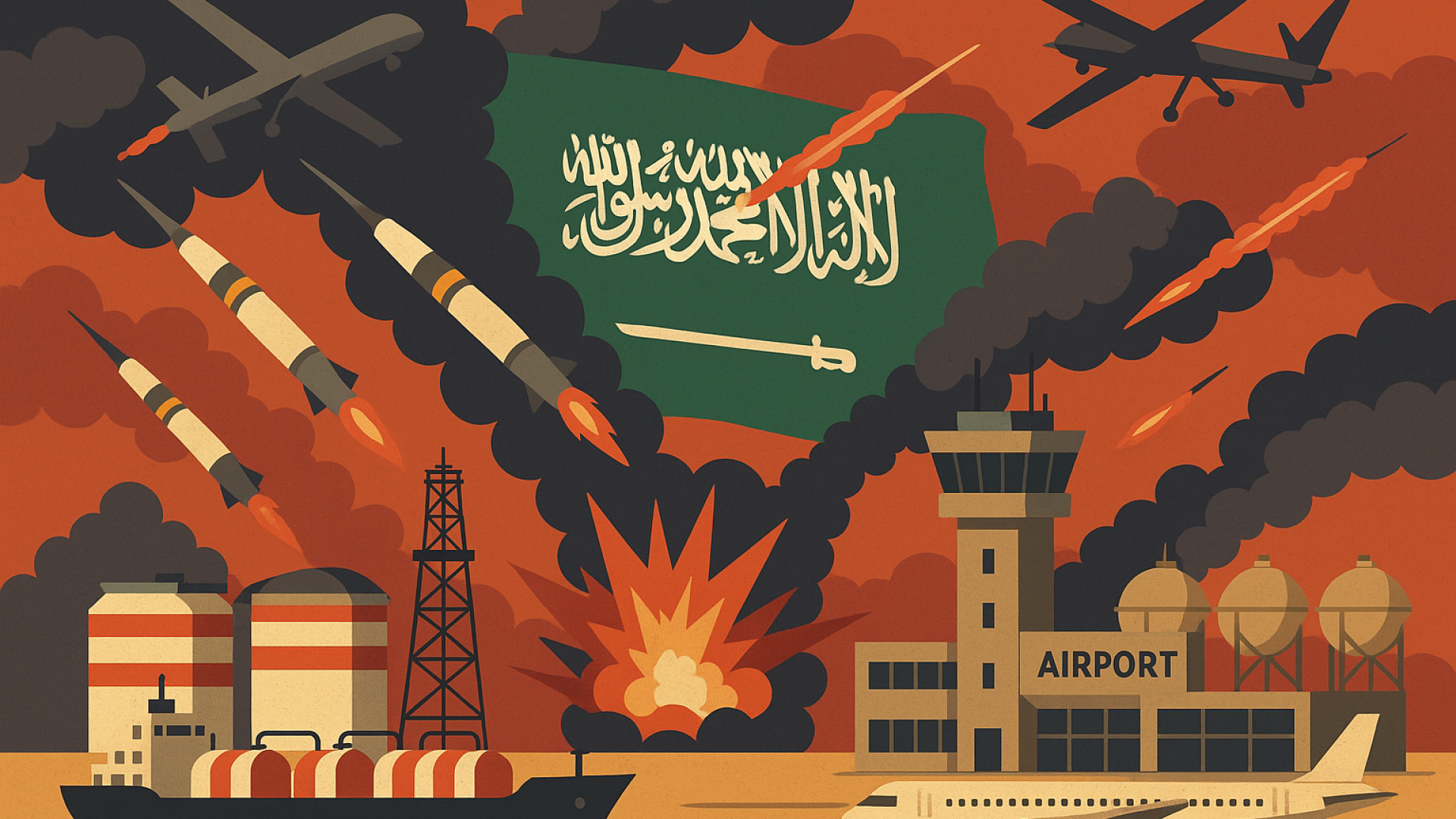
According to official statements from UAE authorities and independent observers, Iran executed a series of coordinated strikes on March 16 targeting a critical oil export terminal located in the Emirate of Abu Dhabi and Dubai International Airport. The oil port targeted is a vital node in the global energy supply chain, handling millions of barrels of crude oil daily and serving as a key transit point for exports to international markets. Dubai International Airport, one of the busiest airports in the Middle East, functions as a major international transit hub connecting the region to the rest of the world.
The attacks reportedly involved a combination of drone strikes and missile launches, designed to inflict maximum disruption while minimizing casualties. Initial reports indicate significant damage to oil storage facilities, loading infrastructure, and runway sections at the airport, leading to the temporary suspension of operations at both sites. Emergency response teams were quickly deployed to contain fires and assess structural damage, but the full extent of the impact on operational capacity remains under evaluation.
Immediate Impact and Regional Reactions
The strikes have sent shockwaves throughout the Gulf Cooperation Council and the broader international community. The UAE government swiftly condemned the attacks as a blatant violation of its sovereignty and a direct threat to regional peace and stability. Security forces across the country have been placed on high alert, with increased patrols and tightened security measures around critical infrastructure. Emergency services continue to work tirelessly to manage the aftermath and restore normal operations.
Neighboring countries, including Saudi Arabia and Bahrain, have expressed strong solidarity with the UAE, condemning the attacks and calling for restraint to prevent further escalation. The United States, which maintains a significant military presence in the region, and the European Union have also issued statements condemning the strikes and reaffirming their commitment to ensuring the security of Gulf states. These reactions underscore the broader geopolitical implications of the incident and the shared interest in maintaining stability in this strategically vital region.
Global Energy Market Concerns
The Gulf region supplies a substantial portion of the world's oil, and any disruption to its infrastructure can have immediate and far-reaching effects on global energy prices and supply stability. Following the attacks, oil prices experienced a sharp increase, reflecting market fears of prolonged supply interruptions and heightened geopolitical risk. Energy analysts warn that if the damage to the UAE's oil export capacity proves extensive or if further attacks occur, the global economy could face increased volatility, with ripple effects across industries dependent on stable energy supplies.
Countries heavily reliant on Gulf oil imports may need to explore alternative sources or accelerate the release of strategic petroleum reserves to mitigate potential shortages. Additionally, the attacks have prompted discussions among oil-producing and consuming nations about the need for coordinated efforts to stabilize markets and ensure uninterrupted supply chains. The incident highlights the vulnerability of global energy infrastructure to geopolitical conflicts and the importance of diversifying energy sources.
Underlying Causes and Strategic Motivations
Experts suggest that Iran's actions are driven by a complex mix of strategic signaling, retaliation for perceived provocations, and attempts to leverage its regional influence amid ongoing diplomatic and security challenges. The attacks may be intended to pressure the UAE and its allies in the context of stalled nuclear negotiations, sanctions relief discussions, and broader regional security arrangements.
Historically, Iran has employed asymmetric tactics, including proxy warfare and targeted strikes, to challenge more powerful adversaries and assert its interests without engaging in full-scale conflict. However, the scale and choice of targets in these recent attacks indicate a willingness to escalate beyond previous thresholds, raising concerns about potential miscalculations and unintended consequences. The strikes also serve as a stark reminder of the fragile balance of power in the Gulf and the risks associated with escalating hostilities.
Potential Solutions and Diplomatic Paths Forward
Addressing the crisis requires a multifaceted approach that combines diplomacy, security cooperation, and economic measures. Key steps that could help de-escalate tensions and promote stability include:
- Renewed Diplomatic Engagement: Encouraging direct talks between Iran and Gulf states, possibly mediated by neutral parties such as Oman or Switzerland, to establish communication channels, reduce misunderstandings, and negotiate confidence-building measures.
- International Mediation: Involvement of the United Nations or regional organizations like the Gulf Cooperation Council to facilitate dialogue, monitor ceasefire agreements, and provide frameworks for conflict resolution.
- Security Guarantees: Strengthening regional security frameworks through joint exercises, intelligence sharing, and the establishment of hotlines to prevent accidental escalations and deter future attacks.
- Economic Incentives: Exploring targeted sanctions relief or economic cooperation initiatives that address Iran's core concerns while safeguarding the interests of Gulf states and the international community.
- Energy Market Stabilization: Coordinated efforts by oil-producing and consuming nations to stabilize supply and prices, including strategic reserve management and diversification of energy sources to reduce vulnerability.
Long-Term Implications
The attacks underscore the fragility of peace in the Gulf and the deep interconnectedness of regional security with global economic stability. They highlight the urgent need for comprehensive strategies that address underlying grievances, promote dialogue, and foster sustainable cooperation among regional actors.
Failure to resolve these tensions could lead to prolonged instability, increased military confrontations, and repeated disruptions to critical infrastructure, with severe consequences for both regional populations and the global economy. Conversely, successful diplomacy and confidence-building measures could pave the way for a more secure and prosperous Gulf region, benefiting local communities and contributing to global peace and economic resilience.
Conclusion
The March 16, 2026 attacks by Iran on the UAE's oil port and Dubai International Airport represent a significant escalation in Gulf tensions with far-reaching consequences. While the immediate focus remains on damage control, security reinforcement, and humanitarian response, the broader challenge lies in addressing the root causes of conflict through sustained dialogue and cooperation. The international community's response in the coming weeks will be crucial in shaping the region's trajectory and ensuring stability in one of the world's most vital economic corridors.